Body Contouring Farmington Hills: Enhancing Shape Without Major Downtime
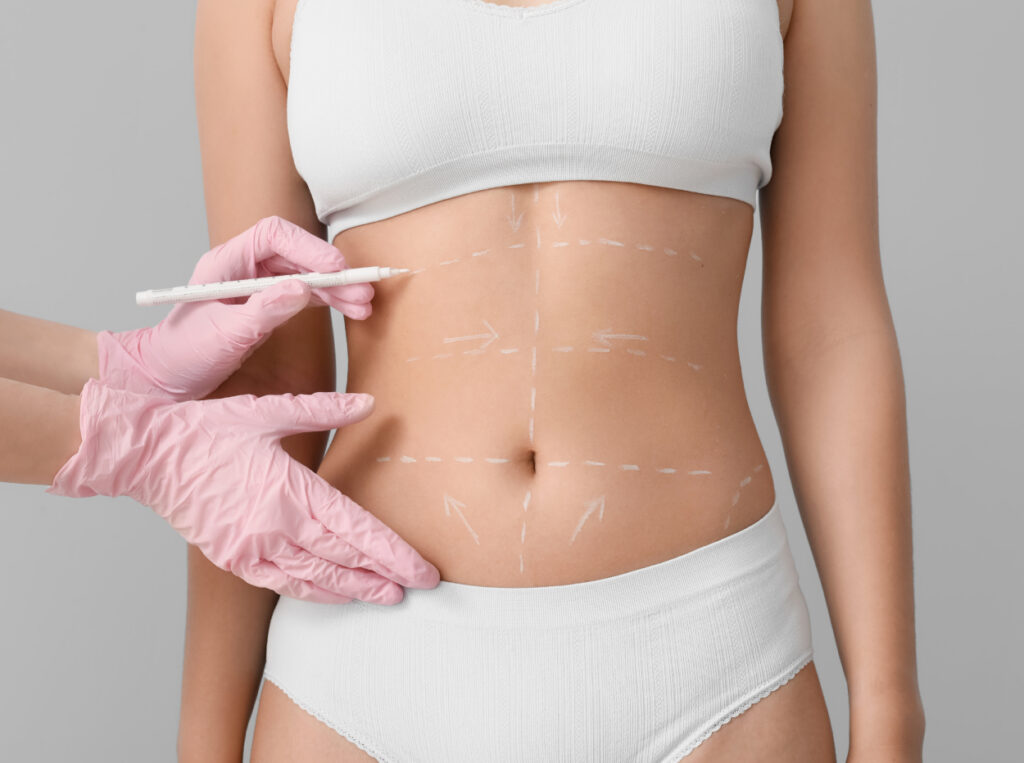
For many people, the frustration is not the number on the scale. It is the way certain areas seem to ignore every sensible effort. A person can eat carefully, walk daily, lift weights three times a week, and still feel bothered by fullness along the abdomen, lower flanks, upper arms, or under the chin. That gap between effort and visible change is often what brings people to body contouring in the first place.
In a place like Farmington Hills, where busy schedules are the norm and people often want practical treatments rather than long recoveries, body contouring has become a realistic middle ground. It sits between doing nothing and committing to surgery. For the right person, that middle ground can be valuable. The appeal is straightforward: improve silhouette and proportion, return to normal routines quickly, and avoid the larger downtime that comes with more invasive procedures.
That said, body contouring is not one single treatment, and it is not magic. Different technologies target fat, skin laxity, muscle tone, or a combination of those concerns. The best outcomes come from matching the treatment to the actual issue, not the issue a patient assumes they have. In practice, that distinction matters more than most people expect.
What body contouring is really meant to do
The phrase gets used broadly, sometimes too broadly. In clinical terms, body contouring refers to treatments that reshape or refine body areas by reducing stubborn fat, tightening skin, or improving muscle definition. Some methods are noninvasive, meaning nothing penetrates the skin. Others are minimally invasive and may use small incisions, heat, or injectable substances. The common goal is not dramatic weight loss. The goal is shape.
That sounds like a small distinction, but it changes expectations. If someone has twenty or thirty pounds they want to lose, body contouring is not the starting point. Nutrition, movement, metabolic health, sleep, and sometimes medical weight management come first. If someone is already near their stable weight and dislikes a localized pocket that will not budge, then body contouring starts to make more sense.
A common example is the patient who says, “I feel fit everywhere except my lower abdomen,” or, “My bra line bothers me even though my clothes fit.” Those are contour concerns. Another frequent scenario is after pregnancy or a major weight loss, when the issue is not only fat but also lax skin and weakened tissue support. In those cases, the answer may involve more than one type of treatment, and occasionally a noninvasive option may not be strong enough to create the change someone wants.
Why downtime matters so much
People often underestimate how much recovery shapes decision-making. It is one thing to want a flatter midsection. It is another to take two weeks off, manage drains or compression, limit exercise, and sleep uncomfortably. Many adults simply cannot build that kind of recovery into work and family life.
This is where interest in Body Contouring Farmington Hills has grown. Patients are not always asking for the most aggressive procedure. Quite often, they are asking for the most sensible one. They want improvement that fits into a real schedule. They want to pick up their kids, answer emails, attend meetings, and go out to dinner without feeling like they have disappeared into a medical recovery period.
Noninvasive body contouring speaks directly to that need. A typical appointment may last under an hour, depending on the area treated. Mild soreness, temporary swelling, numbness, or redness can happen, but many patients return to desk work the same day or the next. That level of convenience has changed the conversation. It has also raised the risk of oversimplification, because “easy” does not necessarily mean “right for everyone.”
The different goals hidden inside one request
When a patient says they want body contouring, they may mean at least four different things. They may want less fullness in one area. They may want tighter skin. They may want more visible muscle definition. Or they may want their clothes to fit more evenly, which can involve all three.
A good consultation spends time untangling that. I have seen people point to a “fat” concern that was actually loose skin after weight loss. I have also seen patients focus on skin texture when the more obvious issue was volume. If a treatment only removes a modest amount of fat in someone whose skin lacks elasticity, the result can be underwhelming. The area may be smaller but not smoother. That mismatch is one of the main reasons some people walk away disappointed even when the treatment technically worked.
The best providers tend to slow this part down. They examine tissue quality, pinch thickness, skin recoil, body symmetry, and the person’s pattern of fat distribution. They ask about weight fluctuations, pregnancies, previous surgeries, medications, and whether the concern has changed over time. That kind of assessment is not glamorous, but it is where realistic planning begins.
Common nonsurgical approaches and where they shine
Several technologies dominate the nonsurgical body contouring conversation. Cooling-based treatments are designed to reduce pockets of fat by exposing them to controlled cold. Heat-based treatments use radiofrequency, ultrasound, or laser energy to affect fat cells and, in some cases, stimulate collagen. Muscle-stimulating platforms use high-intensity contractions to build and define muscle while contributing some fat reduction in treated areas.
Each has a place. Cooling devices may work well on pinchable fat in areas like the abdomen or flanks. Heat-based devices can be useful when mild skin tightening is part of the goal. Muscle-focused treatments tend to appeal to patients who want a firmer look in the abdomen or buttocks, especially when exercise has plateaued or time is limited. None of these methods replace surgery when someone has significant skin excess or wants a major one-time change. Still, for carefully selected patients, the difference can be meaningful.
Results also unfold differently. Fat reduction is gradual because the body clears affected cells over weeks to months. Skin tightening may continue to improve as collagen remodels. Muscle changes often require a series of treatments and maintenance. That timeline matters. A patient hoping to look noticeably different for an event in three weeks may need a different strategy, or at least a more conservative expectation.
Who tends to do well with body contouring
The strongest candidates usually share a few traits. They are close to their goal weight, their weight has been stable for a while, and they have one or more localized concerns rather than generalized obesity. They also understand that contouring changes shape more than it changes pounds.
The other important factor is skin quality. A 35-year-old with modest lower abdominal fullness and good elasticity often sees a cleaner result from nonsurgical treatment than a 58-year-old with skin laxity and the same amount of fat. Age alone does not decide candidacy, but tissue behavior matters. So do hormones, sun exposure, smoking history, genetics, and previous pregnancies.
A useful way to think about it is this: the better your baseline, the more nonsurgical treatments can refine. The more loose skin, muscle separation, or structural laxity involved, the more likely it is that a noninvasive approach will provide only partial change.
Here are a few signs that someone may be a good fit for Body Contouring Farmington Hills:
- They are near a stable, sustainable weight.
- Their concern is localized rather than widespread.
- Their skin has at least moderate elasticity.
- They can wait several weeks for results to appear.
- They want improvement, not perfection.
That last point deserves emphasis. People who expect subtle to moderate improvement often feel satisfied. People chasing an airbrushed ideal, especially from social media images or filtered before-and-afters, are harder to please regardless of the technology used.
The areas people ask about most
The abdomen remains the most requested area, and for good reason. It changes with age, pregnancy, stress, hormonal shifts, and weight fluctuation. Even disciplined patients often describe a small lower belly that lingers despite effort. Flanks are close behind because they affect how pants https://www.google.com/maps?cid=15618896523686751270 and fitted dresses sit on the body. The upper arms, inner and outer thighs, submental area under the chin, and bra line are also frequent requests.
Each area behaves differently. The abdomen often has enough tissue for effective treatment, but it may also hide muscle separation or laxity. Arms can respond, though the skin there tends to reveal laxity quickly if fat is reduced without enough tightening support. The chin can improve impressively in the right person, but small changes are more visible because the face and neck are always on display. Thighs can be rewarding yet occasionally tricky because swelling, friction, and asymmetry can affect how patients perceive results.
One of the more honest parts of a consultation is telling someone that their “problem area” is not actually a single problem. A lower abdomen can involve fat, loose skin, and posture. A chin can reflect fullness, skin laxity, jaw structure, or all three. The treatment should match the anatomy, not the marketing term.
What treatment feels like, and what recovery usually looks like
The experience depends on the device, but most noninvasive sessions are manageable without significant interruption to the day. Cooling treatments often begin with firm suction and intense cold that usually settles into numbness. Heat-based options may feel warm, prickly, or deeply hot, depending on settings and depth. Muscle stimulation treatments can feel strange the first time because the contractions are stronger and more rhythmic than normal exercise.
Afterward, patients may feel tender, swollen, numb, or mildly bruised. Some return to work immediately. Others prefer to avoid strenuous exercise for a day or two, especially if the area feels sore. Most downtime is social rather than medical, meaning you are functional but may not want anyone pressing on your abdomen or asking why your skin looks pink.
This is part of the appeal of Body Contouring Farmington Hills. People can often fit treatment between obligations rather than reorganizing life around recovery. But lower downtime does not mean zero commitment. Some protocols require multiple sessions. Hydration, stable weight, patience, and follow-up matter. It also helps to understand that results may appear uneven in the early weeks before swelling resolves and the body completes its normal clearance process.
The honest trade-offs people should understand
Body contouring can be effective, but it is rarely dramatic in the way surgery can be. That is the trade. Less downtime usually means less immediate change. For many patients, that is perfectly acceptable. They are not trying to become unrecognizable. They want to look a little leaner, smoother, and more proportionate in clothing and swimwear.
Cost is another trade-off. Nonsurgical treatment can look easier financially because there is no operating room, anesthesia, or large recovery expense. But multiple sessions add up. A person may spend a meaningful amount over time and still achieve a subtler outcome than a single surgical procedure would have delivered. That does not make nonsurgical treatment a poor value. It simply means value depends on the person’s priorities.
There is also the question of permanence. Destroyed fat cells do not regenerate in the same way, but remaining fat cells can still enlarge if weight increases. Skin continues to age. Muscles respond to use and disuse. Long-term satisfaction depends partly on what happens after the treatment. Patients who maintain stable habits tend to preserve their results more predictably than those whose weight fluctuates repeatedly.
Why consultation quality matters more than the machine brand
People often arrive asking for a specific device they saw online. That is understandable, but it can be misleading. A strong outcome depends less on brand recognition than on candidate selection, treatment planning, and provider judgment. The most advanced platform in the wrong hands, or used on the wrong patient, will not rescue the result.
A thoughtful consultation should cover what bothers you, what the provider sees, how much change is realistically possible, how many sessions may be needed, and what alternatives exist. It should also include situations where treatment may not be worthwhile. That kind of honesty builds trust.
A provider worth listening to will sometimes say no, or not yet. They may suggest stabilizing weight first, improving nutrition and protein intake, addressing diastasis after pregnancy, or considering surgical consultation if skin excess is the dominant issue. Patients do not always love hearing that, but it is a sign of professional restraint, not upselling.
When evaluating options, ask questions like these:
- What specific concern are you treating here, fat, skin laxity, or muscle tone?
- How much change do patients like me usually see?
- How many sessions are commonly needed for this area?
- What side effects are typical, and how long do they last?
- If this does not match my goals, what would you recommend instead?
Those five questions often reveal whether a plan has been individualized or copied from a brochure.
Situations where surgery may still be the better answer
There is no benefit in pretending that every contour issue can be solved without surgery. It cannot. If someone has significant loose skin after major weight loss, marked abdominal muscle separation, or a large volume of fat combined with lax tissue, surgery may be more efficient and more satisfying. Liposuction, abdominoplasty, arm lift, and body lift procedures remain the standard for certain anatomic problems because they directly remove tissue and reshape structure.
That does not mean surgery is the default. It means treatment should fit the body in front of you. A patient with modest concerns and no interest in anesthesia may be thrilled with incremental improvement from noninvasive sessions. A patient with severe laxity who keeps chasing noninvasive fixes may spend time and money without ever reaching the result they imagine.
One pattern worth noting is the “serial sampler,” the person who has tried one treatment after another at multiple clinics because none created enough change. Often the issue was not that every treatment failed. It was that the original problem called for a stronger approach. Recognizing that early can save a lot of frustration.
Setting expectations for visible results
Patients usually care about one question more than any other: “Will I notice it?” Fair question. The answer is usually yes, if expectations are appropriate and the case is well selected. Clothes may sit better. A waistband may feel less tight. Side profile photos may look cleaner. The area may appear smoother or more balanced relative to the rest of the body.
What most people should not expect is a complete transformation after one easy appointment. Marketing can make subtle improvements look dramatic through lighting, posture, and selective photo timing. Real life is less theatrical. Your body still looks like your body, just somewhat more refined.
I often tell people to judge results in three ways: how they look in their usual clothes, how they look in consistent photos, and whether the area bothers them less when they catch themselves in a mirror. Those are practical benchmarks. They also line up better with how people actually live than a scale number does.
How to make results last
Maintenance starts before treatment. People who sleep poorly, swing through crash diets, drink heavily on weekends, and gain and lose the same ten pounds repeatedly tend to be disappointed by nearly everything aesthetic medicine offers. The body reflects patterns.
A stable routine matters more than perfection. Consistent protein intake helps with muscle support. Resistance training helps preserve shape. Walking and regular movement improve overall composition. Hydration and sodium balance can affect how puffy or defined someone looks, especially in the midsection. None of these are glamorous insights, but they are the habits that keep contour improvements visible.
There is also a psychological side to maintenance. Some people feel motivated after treatment and finally start supporting the result they paid for. Others expect treatment to replace habits. The first group tends to stay happier longer.
Choosing a practice in Farmington Hills with good judgment
Not every office offering body contouring approaches it with the same level of care. Some emphasize convenience and package pricing. Others spend more time on diagnosis and whether the treatment truly fits the concern. If you are looking into Body Contouring Farmington Hills, the second approach usually serves patients better.
Look for a practice that evaluates the whole picture, not just the area you point to. Good lighting, standardized photos, clear consent, realistic timelines, and direct discussion of alternatives are all signs of a thoughtful process. So is a willingness to say, “You may not be the best candidate for this.”
It is also worth paying attention to how outcomes are described. Responsible providers talk in terms of improvement, response variability, and candidacy. Less responsible marketing leans on guaranteed transformations, one-size-fits-all claims, or pressure to buy large packages on the spot. In aesthetics, confidence is good. Certainty is often suspect.
The appeal of subtle change
One reason body contouring continues to attract interest is that subtle change can be enough. Not everyone wants friends asking what procedure they had done. Many patients prefer the quieter result where clothing fits better, confidence rises, and the improvement reads as healthy and polished rather than obvious.
That kind of refinement is not trivial. When someone has been bothered by the same pocket of fullness for years, even a moderate reduction can feel surprisingly significant. It changes how they dress, how they stand, and how often they tug at a hemline or avoid a photo. Those daily frictions matter.
Body contouring works best when it is approached with that mindset. It is not a shortcut to a different body. It is a tool for improving proportion in the body you already have. For the right patient, with the right anatomy, a sensible plan, and realistic expectations, that can be exactly enough.
Aesthetic Plastic Surgery & Laser Center, Michelle Hardaway M.D.
Address: 27920 Orchard Lake Rd, Farmington Hills, MI 48334
Phone number: +12482211957
FAQ About Body Contouring Farmington Hills
What does body contouring actually do?
Body contouring (or body sculpting) eliminates stubborn localized fat, tightens loose, sagging skin, and reshapes your silhouette. It is not a weight-loss tool, but rather a cosmetic procedure used to refine and tone specific trouble spots after major weight loss, pregnancy, or aging.
How much does body contouring usually cost?
The total cost of body contouring usually ranges from $2,000 to $25,000+ depending entirely on whether you choose non-surgical sessions or major surgical procedures.
Because "body contouring" covers everything from simple fat-freezing to comprehensive post-weight-loss surgeries, pricing is heavily categorized by the method used.
What is the best type of body contouring?
Liposuction is a huge topic and worth discussing in more detail, but in terms of body contouring and sculpting, nothing does the job better than liposuction, particularly VASER liposuction.